
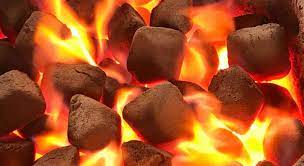
As the world continues to seek sustainable and clean energy sources, smokeless biomass eco briquettes and smokeless biomass charcoal briquettes have emerged as promising solutions for eco-friendly energy needs. These briquettes are revolutionizing the way we think about biomass fuel by offering cleaner, more efficient, and environmentally responsible alternatives to traditional wood and fossil fuels.
What Are Smokeless Biomass Eco Briquettes
Smokeless biomass eco briquettes are solid fuels made by compressing agricultural and organic waste. These include materials like sawdust, coconut shells, corn husks, and other biomass residues.
Unlike conventional firewood or charcoal, these briquettes burn with little to no smoke. This significantly reduces harmful emissions that contribute to air pollution and respiratory problems.
Their smokeless quality comes from two main factors: low moisture content and high density. By drying and compressing the raw biomass properly, manufacturers create fuel that burns more completely and cleanly. The result is more heat and less smoke.
Benefits of Using Smokeless Biomass Eco Briquettes
-
Reduction in Air Pollution
Traditional biomass fuels release a large amount of smoke and particulate matter when burned, causing respiratory problems and contributing to environmental pollution. Smokeless biomass briquettes dramatically cut down on these emissions, improving air quality and promoting better health for users. -
Conservation of Forests
One of the major environmental concerns related to traditional fuel sources is deforestation. Smokeless biomass eco briquettes use agricultural waste rather than cutting down trees, thus protecting forests and promoting biodiversity. This helps maintain ecological balance and reduces the carbon footprint associated with fuel production. -
Higher Energy Efficiency
Due to their dense structure and low moisture content, these briquettes have a higher calorific value than typical firewood. This means they burn longer and generate more consistent heat, making them ideal for cooking, heating, and even industrial applications. -
Waste Management Solution
Smokeless biomass eco briquettes turn agricultural and organic waste, which might otherwise be discarded or burned openly, into valuable energy. This helps reduce waste accumulation and the environmental issues associated with open burning, such as greenhouse gas emissions and soil degradation. -
Economic Opportunities
Producing biomass briquettes can stimulate local economies by creating jobs in collection, processing, and sales of briquettes. Many rural communities benefit from this sustainable livelihood, which also encourages the use of renewable energy sources.
How Are Smokeless Biomass Eco Briquettes Made
Smokeless biomass eco briquettes are made by drying biomass waste to below 15% moisture, then compressing it under high pressure, sometimes with natural binders like starch. The resulting briquettes are dense, durable, easy to store and transport, and suitable for both industrial and household use.
Challenges and Future Prospects
Despite their many benefits, smokeless biomass eco briquettes face several challenges. These include low public awareness, high equipment costs, and inconsistent raw material supply.
However, growing environmental concerns are increasing demand. Governments and NGOs are offering support through subsidies and public education. This helps overcome key barriers.
As technology improves and awareness grows, these briquettes are likely to become a mainstream clean energy option.
Conclusion
Smokeless biomass eco briquettes represent an innovative step towards cleaner and more sustainable energy use. By reducing harmful emissions, conserving natural forests, and making use of agricultural waste, they provide a practical and eco-friendly fuel alternative.
Investing in this technology supports environmental goals, strengthens local economies, and protects public health. With global interest in renewable energy on the rise, smokeless briquettes are well-positioned to play a key role in building a greener future.