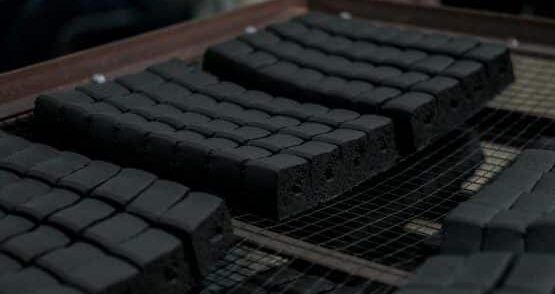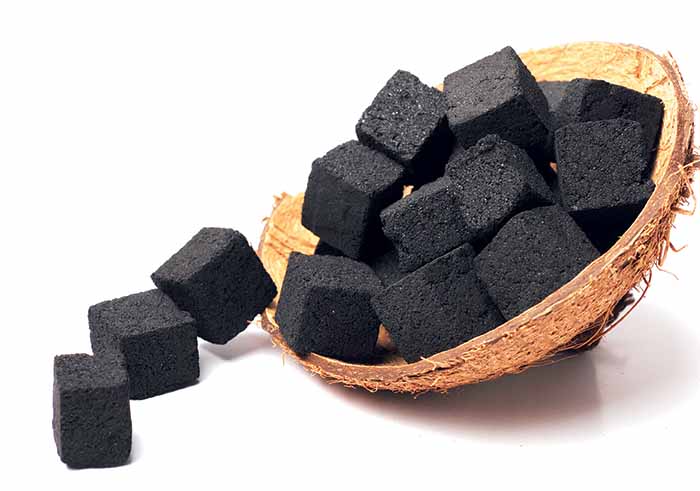
The carbonization method for making quality briquettes plays a crucial role in producing efficient, eco-friendly fuels. One of the most promising raw materials is the coconut shell, which is abundant, renewable, and rich in carbon content. When processed correctly, coconut shell charcoal briquettes offer high calorific value, low ash content, and long burning time—making them ideal for both domestic and industrial use.
The production of high-quality briquettes begins with heating organic biomass (like coconut shells or corncobs) in a low-oxygen environment to convert it into charcoal. Each step—carbonization, grinding, mixing, molding, and drying—affects the final quality of the briquette. Below are key factors that ensure the process yields solid, efficient, and durable briquettes.
Carbonization Method for Making Quality Briquettes
1. Temperature Control During Carbonization
- Function
Proper heating breaks down the organic matter into carbon, drives off volatile compounds, and increases the energy content of the resulting charcoal. - Effect on Quality
Elevated temperatures generally produce briquettes with higher calorific value and reduced ash content. However, each type of biomass has an optimal carbonization temperature—for example, around 450°C for corncobs. Using the right temperature is essential to maximize energy content without compromising yield.
2. Time and Oxygen Control
- Process
Carbonization is carried out in kilns or drums with limited oxygen supply to prevent combustion and ensure slow pyrolysis. - Key Considerations
Insufficient time may result in partially carbonized material with poor energy performance, while excessive duration can reduce the overall charcoal yield. Maintaining the proper balance is essential for ensuring consistent quality.
3. Raw Material Preparation
- Preparation Steps
The biomass must be cleaned, dried, and cut into smaller, uniform pieces before carbonization. Moisture and size uniformity impact both carbonization efficiency and charcoal quality. - Post-Carbonization
Once turned into charcoal, the material should be ground into fine powder (typically 60 mesh). Uniform particle size ensures strong bonding and consistent density in the final briquette.
4. Mixing and Binding
- Binder Use
Powdered charcoal is mixed with a natural binder like starch (e.g., tapioca) to hold the particles together during and after molding. - Proportioning
The ratio of binder must be optimized to provide enough strength without affecting combustion efficiency. Too little binder results in fragile briquettes; too much can cause smoke during burning.
5. Molding and Drying
- Molding Process
The mixture is poured into cylindrical molds to create uniformly shaped and sized briquettes. Proper molding helps ensure even burning. - Drying
Newly formed briquettes are dried in the sun or with a drying oven to lower their moisture content. Low moisture is critical for long shelf life and efficient burning.
6. Meeting Quality Standards
- SNI Compliance
Manufacturers frequently use the Indonesian National Standard (SNI 01-6235-2000) for wood charcoal briquettes as a benchmark for quality assessment. This includes benchmarks for calorific value, moisture content, ash content, and volatile matter. Applying these standards to coconut shell charcoal briquettes ensures they meet both domestic and export requirements.
Conclusion