
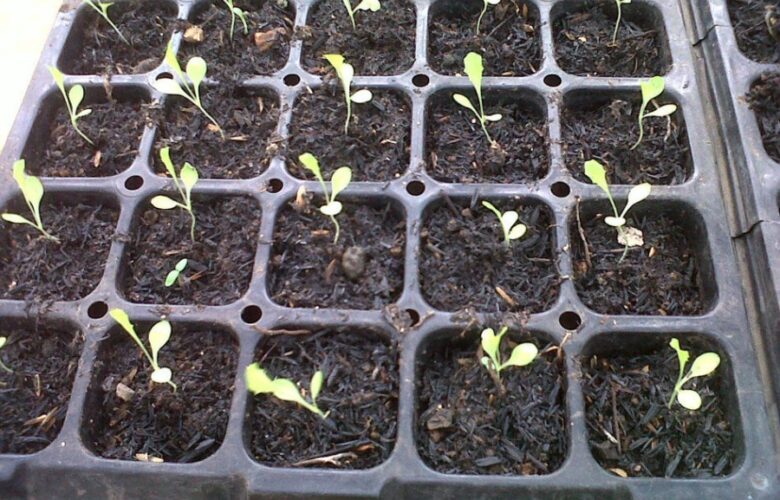
Benefits of charcoal for plants are increasingly recognized by gardeners and farmers, as using charcoal as plant fertilizer gains popularity due to its natural ability to enrich soil and improve crop yields sustainably. Charcoal, especially biochar, offers numerous long-term benefits for soil health, water retention, and plant growth.
This article explores how charcoal works as a fertilizer, its key advantages, and practical tips on how to apply it effectively. For more detailed information, visit Jacoid Benefits of Charcoal for Plants.
What is Charcoal and How Does It Work in Soil?
Charcoal used for agriculture is often referred to as biochar, a type of charcoal made by burning organic materials (like wood or crop waste) in a low-oxygen environment. This process is called pyrolysis. The result is a porous, carbon-rich material that can improve soil structure and fertility.
When mixed into soil, charcoal functions like a sponge by holding moisture, nutrients and helpful microorganisms. It doesn’t directly provide nutrients like nitrogen or phosphorus but enhances the soil’s ability to hold and distribute them efficiently.
Benefits of Using Charcoal as Plant Fertilizer
1. Improves Soil Structure
Charcoal improves soil structure by breaking up compacted layers and enhancing airflow, which supports deeper, stronger, and healthier root development. This improved root environment enhances nutrient uptake and overall plant resilience.
2. Enhances Nutrient Retention
Its porous structure captures and holds nutrients effectively, preventing them from being washed away by rain or irrigation. This helps maintain nutrient availability in the root zone for a longer period, promoting healthier plant growth.
3. Supports Microbial Life
Charcoal provides a stable and protective environment for beneficial microbes that support plant health and enhance nutrient cycling. By fostering these microbes, charcoal helps improve soil fertility and promotes stronger, more resilient plants.
4. Increases Soil pH
In acidic soils, charcoal can help raise the pH level gradually, creating a more balanced and favorable environment for most plants to thrive. This adjustment helps reduce soil toxicity and improves nutrient availability.
5. Environmentally Friendly
Using charcoal as fertilizer reduces the need for chemical inputs and helps sequester carbon in the soil, aiding in climate change mitigation.
How to Use Charcoal in Your Garden or Farm
To get the most out of charcoal as fertilizer, follow these tips:
- Crush the charcoal into small pieces before applying. Avoid large chunks which may not integrate well into the soil.
- Pre-charge the charcoal with compost, manure, or liquid fertilizer.
-
In this way, nutrients can be absorbed first before entering the soil.
- Mix it with topsoil at a ratio of about 5–10% by volume.
- Water thoroughly after application to help settle the charcoal and activate microbial activity.
Conclusion
Charcoal as plant fertilizer to enrich soil is a sustainable and highly effective way to improve overall soil quality and promote healthier plant growth. It enhances soil structure by loosening compacted soil, retains essential nutrients for longer periods and supports beneficial microbes, making it an excellent choice for both home gardens and larger farms alike. For more information, visit Jacoid.
Although it may not fully replace traditional chemical fertilizers, charcoal works very well as a natural supplement—especially in organic and eco-friendly farming practices. With regular and consistent use, it can significantly improve soil fertility, boost plant health and resilience and increase crop yields over time, contributing to sustainable agriculture and environmental conservation.