
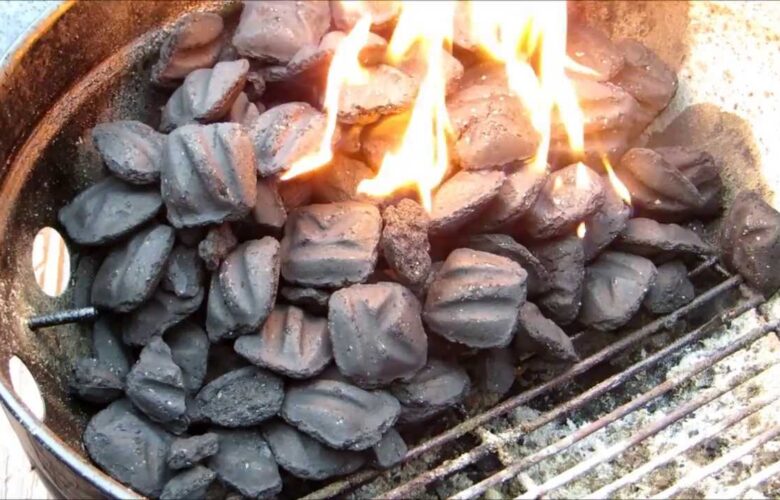
The demand for Odorless Cooking Charcoal stems from a growing desire for pure unadulterated food flavor. Traditional wood charcoal often imparts strong chemical or smoky odors that taint delicate ingredients significantly.
The term “odorless” fundamentally signifies a fuel manufactured with extreme purity standards. Manufacturers actively remove all sources of smell and unpleasant taste during production reliably.Achieving true odorlessness requires meticulous control over every phase of the material processing. This commitment guarantees the charcoal acts only as a heat source and nothing more consistently.
Volatile Matter The Source Of Unwanted Smells
Volatile matter refers to residual organic compounds moisture and wood tars present in incompletely carbonized fuel. When this matter burns it releases pungent smoke and unpleasant chemical smells.
Consequently the initial step in producing Odorless Cooking Charcoal involves eliminating these volatile substances entirely. The highest quality briquettes demonstrate volatile matter content below 15 percent consistently.This low volatile matter is essential for applications like indoor shisha and delicate barbecue meats. Consumers demand this purity to fully appreciate the natural flavors of their prepared dishes effectively.
The Production Process For Purity
Manufacturing specialty Odorless Cooking Charcoal requires advanced technology and precise material handling. The journey from raw shell to final briquette focuses heavily on purity.
Manufacturing Steps To Eliminate Odor
Producers select only mature coconut shells which naturally possess minimal contaminants and high density. The chosen shells then undergo controlled pyrolysis in modern sealed kilns rigorously.
Controlled pyrolysis ensures the complete removal of volatile organic compounds through sustained high temperatures. Furthermore this complete conversion leaves behind nearly pure fixed carbon which burns without releasing scent.
Manufacturers must also utilize clean organic food grade binders like tapioca starch sparingly during the pressing stage. Avoiding petroleum based or chemical binders prevents artificial odors from being introduced substantially.
Enhancing The Culinary Experience
The most significant benefit of Odorless Cooking Charcoal is its positive impact on food quality. It acts as a blank canvas allowing the natural ingredients and seasonings to shine through clearly.
Guaranteeing A Clean Flavor Profile
Traditional charcoal odors can overpower the delicate flavor profiles of seafood or fine cuts of meat easily. Using odorless charcoal ensures the pure taste of the food dominates the culinary experience fully.
The fuel also burns with minimal smoke and produces very low ash residue typically under 3 percent. Moreover this low residue prevents ash particles from contaminating the grilling surface or the food directly.Chefs and home cooks rely on this clean performance for consistent high quality results. This reliability elevates the overall standard of barbecue and grilling significantly.
Consumer Demand And Market Impact
The market preference for Odorless Cooking Charcoal is rapidly increasing across global consumer segments. This growth is driven by health consciousness and superior culinary results.Consumers value the cleaner burn and reduced exposure to heavy smoke and chemical fumes immensely. This factor makes the product a healthier and safer choice for regular use consistently.
For a comprehensive guide detailing the specifications and advantages of using this fuel source consult this resource on coconut briquettes for cooking.Ultimately Odorless Cooking Charcoal provides the ideal heat source confirming its status as the premium choice for serious grilling enthusiasts globally.